Quick Summary: Ha Giang weather is cool and often wet, from 16.1°C in January to 27.9°C in July, with 14–27 rain days a month. The best time to ride the loop is October to November, when rain days drop to 15 a month and buckwheat flowers bloom.
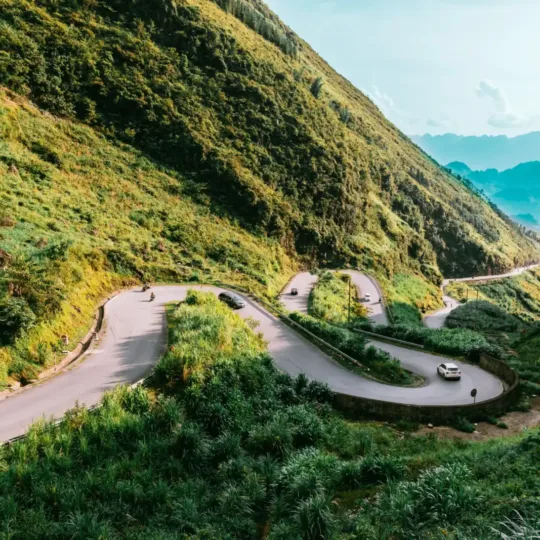
Ha Giang is a land of steep passes and deep canyons where the weather changes with every few hundred meters of height. Sun in the valley can turn into fog and cold wind on the plateau within an hour’s ride.

Ha Giang Weather at a Glance
- Best months: October and November (20.8–24.4°C, 15 rain days a month), when buckwheat flowers bloom on the Dong Van Karst Plateau.
- Average temperature: from 16.1°C in January to 27.9°C in July. These figures reflect Ha Giang city; the high plateau is colder.
- Wet season: May to September, with 21–27 rain days a month. June peaks at 27 rain days.
- Cool season: December to February, 16.1–17.5°C, with 14–19 rain days a month.
Best Time to Visit Ha Giang
October and November are the best months for Ha Giang weather. Rain days fall to 15 a month, temperatures are comfortable at 20.8–24.4°C, and buckwheat flowers colour the plateau around Pho La, Sung La and Ma Le. Rice terraces in Hoang Su Phi also turn golden from late September to October.
March and April bring peach and mustard flowers, but also 20 rain days a month and drizzle. December is drier (14 rain days) but cold at 16.6°C. Avoid June to August if you can: rain days reach 25–27 a month, and landslides are more likely.
Ha Giang Weather by Season
- Winter (December–February): 16.1–17.5°C, 14–19 rain days a month. Cold, foggy, with icy air on high passes.
- Spring (March–April): 20.9–24.2°C, 20 rain days a month. Blossoms and mustard flowers, with frequent drizzle.
- Rainy season (May–September): 26.4–27.9°C, 21–27 rain days a month. Hot and wet, with slippery roads.
- Autumn (October–November): 20.8–24.4°C, 15 rain days a month. The best mix of clear views and dry roads.
For background on the plateau’s rainy and dry seasons, see the Vietnam Government News overview of the Dong Van Karst Plateau Geopark.
Daily Weather & Humidity Insights
- Humidity: it is high, and fog often sits on the passes in the morning and at dusk.
- Altitude gap: on the same day, the plateau can be up to about 8°C colder than Ha Giang city.
- Winter cold: on the high plateau, temperatures can fall to around 5°C or lower in cold snaps.
- Wind on a bike: riding makes it feel colder, so a mild day can feel chilly at speed.
What to Wear and Pack
- Layers and a windproof jacket: the mountains are colder than the city all year.
- Winter extras: gloves, a neck warmer and thermal layers from December to February.
- Rain protection: a poncho and a waterproof bag for your phone and documents.
- Shoes and helmet: sturdy closed shoes and a helmet with a visor for wind and rain.
Essential Local Tips
- Ride in daylight: aim for about 8 am to 4 pm. Fog often lifts by mid-morning, and passes get dark and cold quickly at dusk.
- Watch the roads from June to September: heavy rain can cause landslides and slippery mountain roads. Check local road news, and consider a car with a driver on very wet days.
- Chase the flowers: for buckwheat, visit in October and November around Pho La, Sung La and Ma Le. Bloom timing shifts with the weather, so ask your homestay before you go.
Ready to plan the rest of your trip? See more things to do in our full Ha Giang travel guide.