Quick Summary: Figuring out where to stay in Phong Nha depends on your travel style, with Phong Nha Town offering the best base for first-timers due to its proximity to Phong Nha Cave and local dining options.
What Makes Phong Nha Town Best for First-Timers?
Phong Nha Town is the primary hub for international visitors planning their first trip to explore the local cave networks. This area places travellers within easy reach of Phong Nha Cave, which requires an entry fee of 150,000 VND ($6) plus about 55,000 VND ($2.10) for the boat. The town features numerous small family-run guesthouses, local eateries, and tour desks that organise daily excursions.
Visitors staying in this central zone can easily walk to local restaurants serving traditional regional dishes such as Chao Canh, a thick rice porridge with flat noodles, fish, and pork from Quang Binh. Price ranges for standard rooms here typically span from 385,050 VND ($15) to 1,283,500 VND ($50) per night. The main downside is the occasional street noise and the busy atmosphere during peak daytime hours.
Getting around from the town centre is straightforward, with bicycle rentals, motorbike hires, and private car services readily available on every street. Travellers arriving by air land at Dong Hoi Airport (VDH), which is located 1 hour away from the town. Local taxis and pre-arranged shuttle buses connect the airport directly to the town centre for travellers starting their itinerary.
Why Choose Bo Trach Countryside for a Quiet Stay?
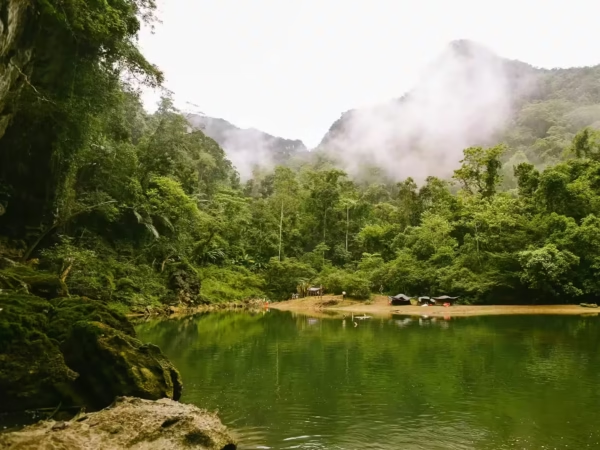
Bo Trach Countryside is the designated area for travellers seeking a quiet stay surrounded by rural landscapes and traditional farming villages. Located a short distance away from the main town, this zone features family homestays set among rice paddies and limestone karsts. It provides a peaceful retreat after long days visiting highlight Cave, where entry costs 250,000 VND ($10) per adult plus about 60,000 VND ($2.30) for the buggy ride.

Accommodation options in the countryside focus on sustainable tourism, organic gardens, and direct views of the surrounding river valleys. Nightly rates generally range from 513,400 VND ($20) to 1,540,200 VND ($60), depending on the season. The primary disadvantage of staying in this rural area is the limited number of evening dining options outside of the individual homestay kitchens.
Travellers based in the countryside usually rent a motorbike or rely on bicycles provided by their accommodation to reach nearby attractions like Mooc Spring. The journey to the main cave ticket counters takes approximately 15 to 25 minutes by road from most rural homestay locations. This area suits visitors who prefer early mornings, quiet evenings, and direct immersion in nature.
When Should You Consider Dong Hoi City for Transit?
Dong Hoi City functions primarily as a transit hub for visitors arriving late by train or flight before heading inland to the national park. Situated along the coast 1 hour away from the cave systems, the city features standard urban hotels, large commercial markets, and direct access to Dong Hoi Airport (VDH). It works best for travellers with tight flight schedules or those catching early morning connections.
The city offers a wide selection of modern hotels with nightly rates starting from 513,400 VND ($20) and extending up to 2,053,600 VND ($80) for high-end coastal properties. Visitors staying here can sample local specialities like Banh Xeo Quang Binh, a crispy pancake with shrimp and pork rolled with herbs. The main downside is the significant distance to the primary underground attractions, requiring a 1-hour drive each way.
Public transport options in the city include metered taxis and ride-hailing apps that connect to the local railway station and airport. Travellers can also arrange private transfers directly from their city hotel to the main ticket office for Phong Nha Cave. Most visitors limit their stay here to a single night before moving closer to the national park entrance.
How to Compare Accommodation Areas in Phong Nha
Choosing the right location requires balancing travel convenience against the desire for peace and quiet during your holiday. The following comparison table outlines the key differences between the three available areas to help you plan your itinerary effectively.

| Area | Best For | Price From | Getting Around |
|---|---|---|---|
| Phong Nha Town | First-timers | 385,050 VND ($15) | Walking, bicycle, motorbike rental |
| Bo Trach Countryside | Quiet stay | 513,400 VND ($20) | Bicycle, motorbike rental |
| Dong Hoi City | Transit | 513,400 VND ($20) | Taxi, private car, airport shuttle |
How to Choose the Best Area for Your Budget?
Selecting where to stay involves calculating your overall daily budget, which typically ranges from 898,450 VND ($35) to 2,053,600 VND ($80) per day for independent travellers. Budget-conscious visitors find the greatest value in Phong Nha Town, where guesthouses offer affordable dormitories and private rooms close to cheap local food stalls. These establishments often provide free local maps and direct booking services for group tours.

Mid-range travellers often split their time between the town and the countryside to experience both local social life and rural tranquillity. Booking a standard room in a countryside homestay allows visitors to enjoy inclusive breakfasts featuring local ingredients and personalised travel advice from hosts. Always confirm whether your chosen accommodation provides airport transfers from Dong Hoi Airport (VDH) before finalising your reservation.
Luxury seekers and multi-day expedition participants should note that high-end resort options are limited compared to larger Vietnamese cities. Major underground explorations like Son Doong Cave, which costs about 79,500,000 VND (about $3,100) per person for the 6-day expedition, require pre-booking months in advance through the licensed operator. Expedition participants typically spend the night before their departure in Phong Nha Town for the mandatory safety briefing.
When to Book Based on Weather and Crowds?
Planning your accommodation bookings requires careful attention to local weather patterns and seasonal crowd levels across the year. The best months to visit based on historical weather data are February, March, April, July, and August, which feature favourable conditions for outdoor exploration. March, April, May, and July experience higher visitor numbers, requiring advance bookings several weeks ahead of your arrival date.
Months to avoid or expect difficult weather include October, December, and July, with October recording the highest rainfall levels of the year. The wettest months overall are October, November, and September, during which certain river-based attractions and cave entrances may experience temporary closures. Cooler temperatures occur in January, December, and February, with average temperatures dropping to 19.5 degrees Celsius in January.
| Month | Avg. temperature | Rainy days | Crowds |
|---|---|---|---|
| January | 19.5°C | 19 | Moderate |
| February | 20.4°C | 16 | Moderate |
| March | 23.9°C | 15 | Busy |
| April | 27°C | 14 | Busy |
| May | 28.9°C | 18 | Busy |
| June | 30.6°C | 10 | Moderate |
| July | 29.7°C | 17 | Busy |
| August | 29.4°C | 17 | Moderate |
| September | 27.7°C | 23 | Quiet |
| October | 24.9°C | 27 | Quiet |
| November | 22.8°C | 24 | Quiet |
| December | 19.8°C | 22 | Moderate |
Travellers planning trips during the quiet months of September, October, and November will encounter fewer tourists and lower accommodation rates across all three regions. However, flexible itineraries are essential during the rainy season due to potential transport delays between Dong Hoi Airport (VDH) and the national park. Review our detailed Phong Nha Weather 2026: Best Time to Visit & What to Pack guide for comprehensive packing lists and seasonal clothing recommendations.