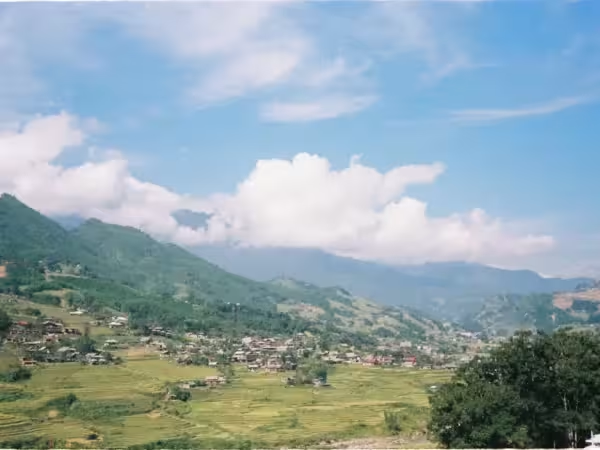
Quick Summary: Choosing where to stay in sapa depends entirely on whether you prefer the convenience of central hotels or the quiet landscape of mountain valleys. First-timers often choose Sapa Town Center for easy access to transport, restaurants, and tours to Fansipan Mountain. Travellers seeking quiet scenery select valley homestays in Muong Hoa Valley.
Which Areas Are Best for Where to Stay in Sapa?
Sapa offers distinct lodging zones ranging from dense urban streets to rural farming settlements. Sapa Town Center provides standard hotels, multi-storey concrete buildings, and immediate proximity to bus drop-off points. This area functions as the primary hub for booking day tours and renting motorbikes for mountain passes like O Quy Ho Pass.
Valley areas such as Lao Chai and Ta Van Villages consist primarily of wooden stilt houses and modern family-run lodges. These locations sit directly amid agricultural terraces farmed by ethnic minority groups. Visitors choosing valley accommodation experience rural morning routines and immediate access to hiking trails without navigating town traffic.
The geographic layout requires careful planning for daily transit. Taxis and electric buggies operate frequently between Sapa Town Center and nearby valley entrances. Walking between valley settlements involves descending steep footpaths that can become slippery during wet months like July and August.
Why Choose Sapa Town Center for Your Stay?
Sapa Town Center suits first-time visitors who want immediate access to restaurants, convenience stores, and transportation hubs. Most sleeper buses arriving from Hanoi terminate directly within this central zone. Travellers can walk to the central stone church and board the cable car station train without arranging complex transfers.

Accommodation types in this zone include mid-range hotels, budget guesthouses, and luxury properties with valley-facing balconies. Prices typically range from 500,000 – 2,500,000 VND ($19 – $97) per night depending on room amenities and peak seasons. Visitors should note that central streets experience heavy weekend traffic and construction noise from ongoing tourism development.
Dining options outside hotel breakfast rooms include local noodle houses and barbecue stalls serving items like Cap Nach Pork and Grilled Eggs. Evening walks around the central lake provide a lively atmosphere before temperatures drop during cooler months such as January and December.
What Can You Expect from Stays in Ta Van and Muong Hoa Valley?
Ta Van and Muong Hoa Valley suit travellers seeking valley walks, quiet homestays, and direct views of agricultural landscapes. These rural settlements lie approximately 8 to 12 kilometres south of the central hub down winding mountain roads. Visitors reach these villages via taxi or rented motorbike from Sapa Town Center.
Accommodation in this zone features traditional wooden stilt houses converted into communal dormitories, alongside private bamboo bungalows. Nightly rates range from 200,000 – 1,200,000 VND ($8 – $47) for standard homestay beds or private rooms. Meals are often shared family-style around large tables with hosts preparing local dishes.
The primary downside of valley stays is limited nightlife and isolation after dark. Rain during wet months can make unpaved paths difficult to navigate on foot. Travellers must also arrange private transport in advance if they plan to visit attractions such as Silver Waterfall or Thac Tinh Yeu.
Why Choose Ta Phin Village for a Quiet Stay?
Ta Phin Village suits travellers looking for quiet village stays and traditional herbal bath experiences away from central crowds. Located 12 kilometres northeast of the main town, this area is home to the Red Dao community. Visitors come here to observe traditional textile weaving and experience local herbal healing practices.

Lodging options in this sector are limited to small family-run homestays and eco-lodges integrated into the farming community. Prices run from 250,000 – 800,000 VND ($10 – $31) per night. These properties offer simple amenities, slow pacing, and direct interaction with local artisans.
Public transport to Ta Phin Village is sparse, requiring visitors to rely on hired cars or private motorbike taxis. Dining choices are restricted to homestay kitchens or small village shops, meaning evening meals are usually eaten where you sleep.
How Do Sapa Accommodation Areas Compare?
| Area | Best for | Price from | Getting around |
|---|---|---|---|
| Sapa Town Center | First-timers | 500,000 VND ($19) | Walking, taxi, electric buggy |
| Ta Van and Muong Hoa Valley | Valley walks and homestays | 200,000 VND ($8) | Walking, rented motorbike, taxi |
| Ta Phin Village | Quiet village stays | 250,000 VND ($10) | Rented motorbike, private car |
How to Choose the Right Accommodation in Sapa?
Selecting the correct base requires matching your daily itinerary to the physical layout of the region. Visitors planning to ascend Fansipan Mountain or catch early morning buses back to Hanoi save significant travel time by booking hotels inside Sapa Town Center. This eliminates the need for a 30-minute mountain taxi ride during early departure hours.

Photographers and hikers focused on agricultural terraces benefit greatly from staying directly in Muong Hoa Valley. Waking up surrounded by mist-covered rice fields allows early morning photography before day-tour groups arrive from the central hub. Review our comprehensive Sapa Weather 2026: Best Time to Visit & What / Pack guide to ensure your gear matches seasonal conditions.
Budget-conscious backpackers find the best value in communal homestays across Lao Chai and Ta Van Villages, where bed prices often include simple breakfast and dinner options. Luxury travellers should look for boutique eco-lodges perched on valley ridges offering heated indoor spaces and panoramic terrace views.
When to Book Your Sapa Accommodation?
Booking timelines depend heavily on seasonal crowd patterns and regional weather shifts throughout the year. April brings busy conditions and high demand as clear skies attract domestic and international visitors to mountain viewpoints. Travellers planning trips during this month should secure rooms at least four to six weeks in advance.
The quiet months of June, July, and August experience higher rainfall totals and frequent cloud cover across all highland zones. While last-minute bookings are easier to manage during these wet periods, road visibility drops and outdoor trekking requires careful rain gear preparation. Refer to the monthly climate data below when scheduling your mountain itinerary.
| Month | Avg. temperature | Rainy days | Crowds |
|---|---|---|---|
| January | 10.7°C | 14 | Moderate |
| February | 12.1°C | 14 | Moderate |
| March | 15.8°C | 16 | Moderate |
| April | 18.5°C | 18 | Busy |
| May | 19.9°C | 24 | Moderate |
| June | 20.6°C | 28 | Quiet |
| July | 20.8°C | 29 | Quiet |
| August | 20.5°C | 29 | Quiet |
| September | 19.6°C | 26 | Busy |
| October | 17.1°C | 23 | Busy |
| November | 14.6°C | 15 | Moderate |
| December | 11.2°C | 13 | Moderate |
Autumn months like September and October mark another busy period as golden rice terraces draw large crowds to the valleys. Advance reservations are essential if you want specific mountain-facing rooms in Muong Hoa Valley or well-reviewed homestays in Ta Phin Village during the harvest season.