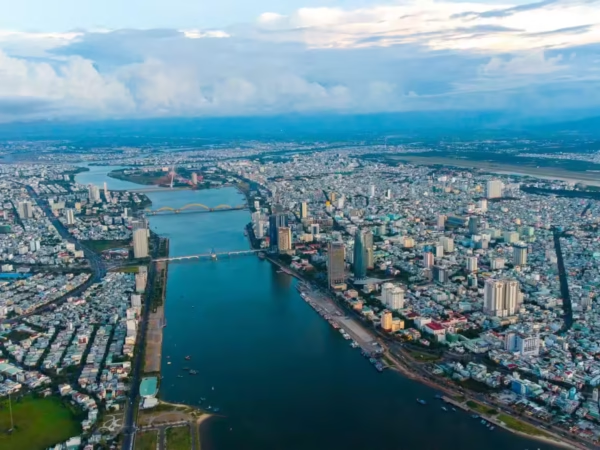
Quick Summary: A two-week trip to Vietnam allows international visitors to experience the major cultural and natural highlights, traveling efficiently from Hanoi in the north to Ho Chi Minh City in the south via Da Nang, Hoi An, and the Mekong Delta.
What is the best route for a 2-week trip in Vietnam?
The most efficient route for a vietnam itinerary 2 weeks starts in Hanoi, moves north to Sapa or Ha Long Bay, travels south to Da Nang and Hoi An, and finishes in Ho Chi Minh City. This linear path minimizes backtracking and maximizes sightseeing time across 14 days.
- Days 1 to 3: Hanoi and Ha Long Bay
- Days 4 to 5: Sapa mountain region
- Days 6 to 8: Da Nang and Hoi An ancient town
- Days 9 to 11: Hue imperial city
- Days 12 to 14: Ho Chi Minh City and Mekong Delta
Practical Tip: Book domestic flights between Hanoi and Da Nang to save hours compared to the 16-hour train journey.
How much does a 2-week trip to Vietnam cost?
A two-week vacation in Vietnam costs between 800 USD and 1,500 USD per person, excluding international flights, depending on accommodation choices and dining styles. Mid-range travelers typically spend 70 USD to 100 USD per day for hotels, meals, and guided tours.
| Expense Category | Budget Daily Cost (USD) | Mid-Range Daily Cost (USD) |
|---|---|---|
| Accommodation | 15 – 25 | 40 – 80 |
| Food and Drink | 10 – 20 | 25 – 45 |
| Local Transport | 5 – 10 | 15 – 30 |
| Activities and Tours | 10 – 25 | 30 – 60 |
Practical Tip: Withdraw cash from local ATMs like TPBank or Agribank to avoid high currency exchange fees.
How do you travel between cities in Vietnam?
Travelers move between major Vietnamese cities using domestic airlines, sleeper trains operated by Vietnam Railways, and long-distance limousine buses. Flight times between Hanoi and Ho Chi Minh City take 2 hours, while trains take approximately 32 hours.
- Vietnam Airlines and VietJet Air operate daily flights connecting Hanoi, Da Nang, and Ho Chi Minh City.
- Sleeper buses run overnight routes between Hanoi and Sapa, costing 15 USD to 25 USD per ticket.
- Taxis and ride-hailing apps like Grab provide reliable city transport for 3 USD to 10 USD per ride.
Practical Tip: Purchase train tickets directly through the official Vietnam Railways website to avoid third-party agency markups.
What should you pack for two weeks in Vietnam?
Packing for a 14-day Vietnam trip requires lightweight, breathable clothing, comfortable walking shoes for ancient towns, and a warm layer if visiting northern mountain regions during winter months. Packing lists should also include universal power adapters and waterproof bags for boat tours.
- Cotton or linen shirts and trousers suited for tropical humidity.
- Sturdy walking shoes or sandals for exploring uneven stone streets in Hoi An.
- Rain jacket or travel umbrella, particularly during regional wet seasons.
- Basic first-aid supplies and prescription medications.
Practical Tip: Pack modest clothing that covers shoulders and knees for visits to temples, pagodas, and mausoleums.
Planning a two-week journey across Vietnam requires balancing travel distances with relaxation time. Organizing internal transport and key hotel bookings ahead of departure ensures a smooth experience from arrival to departure.