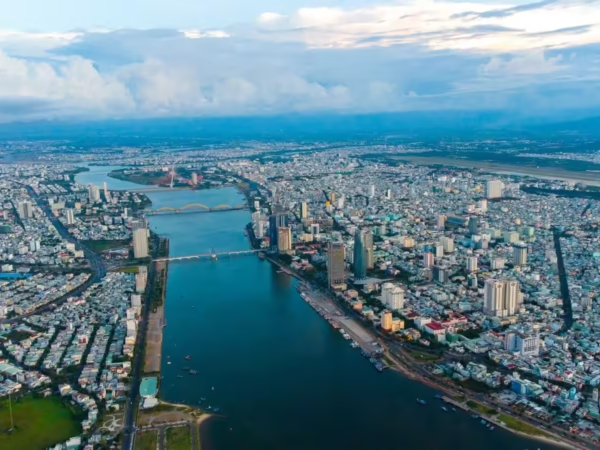
Quick Summary: Visitors planning what to eat in Da Nang will find a rich culinary tradition rooted in Central Vietnam, featuring bold broths, fresh herbs, and crispy pancakes. Dining options range from busy morning markets like Con Market and Han Market to evening food spots near the Han River and Dragon Bridge, with average daily travel costs ranging from 1,155,000 – 2,567,000 VND ($45 to $100).
What is Mi Quang and Where to Find It
Mi Quang is a signature Central Vietnam classic consisting of turmeric rice noodles served in a small pool of rich, savory broth with pork, shrimp, peanuts, and fresh herbs. The dish originates from the region and combines soft noodles with crunchy toasted sesame rice crackers and raw vegetables like banana blossom and mint. Travellers exploring the culinary scene
| Month | Avg. temperature | Rainy days | Crowds |
|---|---|---|---|
| January | 22°C | 20 | Moderate |
| February | 22.3°C | 14 | Busy |
| March | 24.5°C | 10 | Moderate |
| April | 26.8°C | 7 | Busy |
| May | 28.7°C | 13 | Moderate |
| June | 30°C | 11 | Busy |
| July | 29.4°C | 16 | Busy |
| August | 29.5°C | 16 | Busy |
| September | 28°C | 22 | Quiet |
| October | 26.2°C | 27 | Quiet |
| November | 24.8°C | 24 | Quiet |
| December | 22.7°C | 26 | Quiet |

The flavor profile of Mi Quang balances the earthy warmth of turmeric, the umami depth of pork and shrimp reduction, and the crisp freshness of green herbs. Typical portions cost between 30,000 VND ($1.20) and 50,000 VND ($1.20 to $2.00) per bowl. Locals generally eat this noodle dish for breakfast or lunch, pairing it with extra chili and fresh lime juice to elevate the rich broth.
When ordering Mi Quang, remember to pour the concentrated broth over the noodles and toss the raw herbs thoroughly before the first bite. Do not miss tasting the crunchy rice cracker first, which adds an essential texture contrast to the soft noodles and tender meat. For more meal inspiration, review our guide to Mi Quang to understand its regional variations.
How to Enjoy Banh Xeo Da Nang
Banh Xeo Da Nang is a small crispy pancake stuffed with pork and shrimp, designed to be wrapped inside thin rice paper sheets with fresh herbs and crisp vegetables. Unlike larger southern versions, the Da Nang variety is compact, intensely crunchy, and fried in small cast-iron pans until golden yellow. Locals consume this savory snack throughout the day, particularly during late morning or early afternoon gatherings.
The texture of Banh Xeo Da Nang relies on a rice flour batter infused with turmeric and coconut milk, creating a brittle exterior that encases sweet shrimp and savory pork slices. A single serving generally costs 40,000 – 60,000 VND ($1.60 to $2.40). Diners wrap each cut piece of pancake tightly in rice paper with mustard greens and herbs before dipping the roll into a rich peanut and liver sauce.
To eat Banh Xeo Da Nang correctly, use clean hands to assemble tight cylindrical rolls using the provided rice paper sheets and damp herbs. Pair every bite with the thick fermented sauce provided at the table rather than standard fish sauce. Further details on ingredients are available in our feature on Banh Xeo Da Nang.
Why Bun Cha Ca Da Nang is Unique
Bun Cha Ca Da Nang is a regional noodle soup featuring handmade fried fish cakes served in a sweet and sour tomato and pineapple broth. The soup base gets its distinctive clarity and natural sweetness from simmering fish bones alongside local pumpkins, cabbages, and fresh pineapples. This comforting broth is served over smooth white rice vermicelli noodles and topped with generous portions of golden, pan-fried mackerel or barracuda cakes.

A standard bowl of Bun Cha Ca Da Nang typically costs 35,000 – 55,000 VND ($1.40 to $2.15) and is most popular during early morning breakfast hours. The flavor combines the rich, savory taste of fried seafood with the bright, tangy notes of ripe tomato and tropical pineapple. Diners frequently add shredded cabbage, shrimp paste, and fresh chili slices to customize the broth intensity.
When eating Bun Cha Ca Da Nang, sample the clear broth first before mixing in the fermented shrimp paste to appreciate the original fish flavors. Ensure you also try the fried fish cakes separately to test their bouncy texture. Discover more about this specialty through our guide on Bun Cha Ca Da Nang.
What Makes Banh Trang Cuon Thit Heo Special
Banh Trang Cuon Thit Heo consists of thin slices of boiled pork with a layer of fat, rolled tightly in translucent rice paper along with fresh herbs, cucumber, and green banana slices. The pork is cut specifically from the shoulder or belly to ensure an even distribution of lean meat and tender fat. This interactive dish is served alongside a pungent dipping sauce made from fermented anchovies, crushed garlic, and fresh chilies.
A full serving of Banh Trang Cuon Thit Heo costs between 60,000 VND ($2.30) and 100,000 VND ($2.40 to $3.90) and is enjoyed by local families during lunch or afternoon gatherings. The key element is the dual wrapper system, where diners layer wet rice paper over a thin, moist noodle sheet before adding the pork and crisp vegetables. This creates a multi-layered roll that holds together firmly when dipped into the sauce.
To master Banh Trang Cuon Thit Heo, place the soft noodle sheet directly on top of the wet rice paper before adding the meat and greens to prevent tearing. Adjust the spice level by controlling the amount of fermented anchovy sauce used in each dip. Learn more about regional wrapping techniques in our overview of Banh Trang Cuon Thit Heo.
How to Eat Bun Mam Nem Correctly
Bun Mam Nem is a pungent, assertive noodle dish combining rice noodles, roast pork, green papaya, peanuts, fresh herbs, and a sharp fermented anchovy sauce. Unlike lighter noodle bowls, this preparation uses no broth; instead, the concentrated anchovy sauce coats every ingredient when mixed thoroughly before eating. The dish originates from Central Vietnam street food culture and delivers an intense burst of salty, funky, and spicy flavors.
A bowl of Bun Mam Nem generally costs 30,000 – 45,000 VND ($1.20 to $1.80) and is eaten by locals during lunch or late afternoon meals. The roast pork provides a rich, fatty counterweight to the sharp fermented sauce and crunchy raw vegetables. Crushed roasted peanuts and crispy shallots are sprinkled generously on top to add texture and nutty aroma.
When consuming Bun Mam Nem, mix all the ingredients from the bottom of the bowl upward to distribute the thick anchovy sauce evenly across the noodles. Add fresh lime juice and extra crushed chili if you prefer to temper the pungency with acidity. Review additional serving suggestions on our page dedicated to Bun Mam Nem.
Why Che Da Nang is the Best Dessert
Che Da Nang encompasses a variety of sweet soups and gelatin puddings served in small cups, providing a refreshing relief during hot afternoon hours. Common ingredients include black-eyed peas, red beans, mung bean paste, lotus seeds, jelly cubes, and shaved ice drenched in fresh coconut milk. These traditional desserts are sold across street carts, local markets, and specialized dessert shops throughout the city.

A single cup or bowl of Che Da Nang usually costs 15,000 – 30,000 VND ($0.60 to $1.20) and is consumed heavily in the afternoons and evenings. The desserts balance natural legume sweetness with the rich, creamy texture of freshly pressed coconut milk. Visitors can choose from warm legume soups or iced mixed gelatin cups depending on the seasonal weather.
When ordering Che Da Nang, point to your preferred ingredients behind the glass display if language barriers prevent clear communication. Mix the coconut milk thoroughly with the ice and beans before your first spoonful for an even flavor. Explore more sweet options in our dedicated guide to Che Da Nang.
Food Etiquette and Safety
Eating safely in Da Nang requires selecting busy food stalls where ingredients turn over quickly and locals dine in high numbers. Wash your hands frequently, use chopsticks and spoons provided in communal holders, and drink bottled or filtered water rather than tap water. Street vendors and market stalls generally accept cash payments in Vietnamese Dong, so keep small denominations of 10,000 – 50,000 VND ($0.40 – $1.90) on hand for quick purchases.
Table manners in local eateries are casual, but basic courtesy involves using both hands when passing dishes or bowls across the table. Chopsticks should rest on ceramic spoon rests or table edges rather than standing upright vertically in bowls of rice or noodles. Tipping is not customary or expected at standard local food stalls, though leaving small change is appreciated for exceptional table service.
For travellers with severe seafood or peanut allergies, carry a written card in Vietnamese explaining your dietary restrictions before visiting markets or food streets. Central Vietnamese cuisine relies heavily on shrimp paste, fish sauce, and peanuts across almost every dish. Checking ingredients with servers beforehand ensures a safe and comfortable dining experience throughout your stay.
Best Time to Eat Seasonal Dishes
The culinary calendar in Da Nang shifts slightly with regional weather patterns across the dry and wet seasons. January, February, and March bring cooler temperatures averaging 22°C to 24.5°C, making warm noodle soups like Bun Cha Ca Da Nang and Mi Quang particularly comforting. April, May, and June offer drier conditions with temperatures rising up to 30°C, ideal for outdoor market visits and refreshing iced desserts like Che Da Nang.
The wetter months from September through December experience higher rainfall, with October and December recording the highest number of wet days. During these rainy periods, indoor dining at established market halls such as Con Market and Han Market provides shelter while maintaining full access to local specialities. Travelers planning broader culinary itineraries across the region can consult our 10 Days from Hanoi to Hoi An: Central Coast Itinerary for more travel timing details.
| Dish Name | Main Ingredients | Typical Price | Best Time to Eat |
|---|---|---|---|
| Mi Quang | Turmeric noodles, pork, shrimp, herbs | 30,000 – 50,000 VND ($1.20 – $1.90) | Breakfast or lunch |
| Banh Xeo Da Nang | Crispy rice pancake, pork, shrimp | 40,000 – 60,000 VND ($1.60 – $2.30) | Late morning or afternoon |
| Bun Cha Ca Da Nang | Fish cakes, rice noodles, tomato broth | 35,000 – 55,000 VND ($1.40 – $2.10) | Breakfast |
| Banh Trang Cuon Thit Heo | Boiled pork, rice paper, fresh herbs | 60,000 – 100,000 VND ($2.30 – $3.90) | Lunch or dinner |
| Bun Mam Nem | Rice noodles, roast pork, anchovy sauce | 30,000 – 45,000 VND ($1.20 – $1.80) | Lunch |
| Che Da Nang | Beans, jellies, coconut milk, ice | 15,000 – 30,000 VND ($0.60 – $1.20) | Afternoon or evening |