Quick Summary: Travellers planning what to eat in Hoi An will find a distinct culinary tradition shaped by centuries of trade, blending Chinese, Japanese, and Vietnamese influences into unique regional recipes. Visitors can expect to spend between 40,000 VND ($1.60) and 150,000 VND ($6) per meal at local street stalls and casual eateries across the historic district.
What is Cao Lau and Where Can You Try It?
Cao Lau is a bowl of chewy noodles with pork, herbs and crisp croutons, a dish found only in Hoi An. The unique texture of the noodles comes from water drawn from ancient local wells and lye made from specific tree ash gathered from nearby islands. The dish combines thick rice noodles, slices of char siu pork, fresh local herbs, and crispy rice paper croutons.
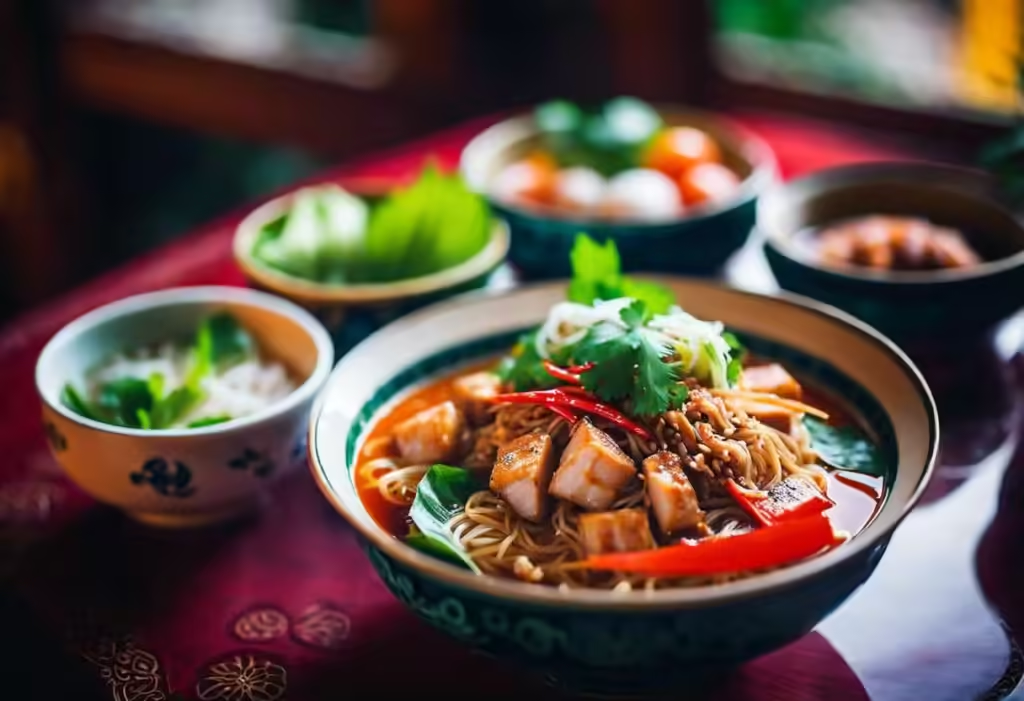
The flavour profile is savoury, smoky, and aromatic, balancing the rich pork with bitter greens and crunchy textures. A standard bowl typically costs between 30,000 VND ($1.20) and 50,000 VND ($1.90) at family-run stalls throughout the historic center. Locals usually eat this specialty during breakfast or lunch as a hearty midday meal.
When ordering, request extra fresh herbs and a spoonful of local chilli jam to elevate the savoury broth. Visitors can explore the historic streets near Hoi An Ancient Town to find authentic vendors preparing this regional staple daily.
Why is Banh Mi Hoi An Famous?
Banh Mi Hoi An is a fluffy baguette filled with pork, pate, herbs, pickles and sauces. Unlike standard baguettes found elsewhere in the country, the local version features a lighter, crispier crust and a slightly shorter shape that stays airy on the inside.
The taste is a harmonious blend of savoury meat, rich homemade liver pate, sweet and sour pickled carrots and radishes, fresh cilantro, and a secret proprietary sauce. Prices range from 20,000 VND ($0.80) to 40,000 VND ($1.60) depending on the choice of fillings and location. Locals consume these sandwiches throughout the day as a quick breakfast, afternoon snack, or light dinner.
When purchasing, ask for a moderate amount of chilli sauce if sensitive to spice, and request the baguette toasted on hot coals for maximum crunch. Travellers often pair the sandwich with a fresh iced coffee while exploring the old streets.
How are White Rose Dumplings Prepared?
White Rose Dumplings are delicate shrimp dumplings shaped like roses, served with crispy shallots. The translucent white dough is crafted from delicate rice flour, wrapped around a subtly spiced minced shrimp filling, and steamed until translucent.
The taste is light, clean, and delicate, enhanced by a generous topping of golden fried shallots and a sweet, tangy fish sauce dip. A single plate usually costs between 50,000 VND ($1.90) and 80,000 VND ($3.10) at dedicated specialty restaurants. Locals enjoy this dish as an appetizer or a light sharing plate during lunch and early evening meals.
When dining, mix the dipping sauce with a few drops of local chilli oil to add depth to the delicate shrimp flavor. This dish is historically produced by a single extended family in the region who supply most of the town’s eateries.
What Makes Com Ga Hoi An Distinctive?
Com Ga Hoi An is turmeric rice with shredded boiled chicken, herbs and onion salad. The rice is cooked in rich chicken broth infused with turmeric and chicken fat, giving it a vibrant golden hue and a savory, aromatic flavor profile.

The dish features shredded free-range chicken mixed with crisp raw onions, Vietnamese mint, and lime juice, served alongside a small bowl of steaming broth. Typical prices range from 35,000 VND ($1.40) to 60,000 VND ($2.30) per plate at dedicated rice shops. Locals traditionally eat this dish for lunch or dinner, accompanied by pickled papaya and a side of chili sauce.
When ordering, ensure you mix the onion and herb salad thoroughly into the warm rice to distribute the citrus and spice. Many travellers combine a meal of chicken rice with a morning visit to Phuc Kien Assembly Hall.
Why Try Mi Quang Hoi An?
Mi Quang Hoi An is turmeric noodles with a little broth, pork, shrimp, peanuts and rice crackers. The wide, flat rice noodles are stained yellow with turmeric and served with just a shallow pool of intensely concentrated, highly seasoned meat broth.
The taste is robust and nutty, combining earthy peanuts, crunchy sesame rice crackers, tender pork, succulent shrimp, and a tangle of raw garden herbs. Prices generally range from 35,000 VND ($1.40) to 55,000 VND ($2.10) per bowl at morning markets and roadside stalls. Locals prefer this noodle dish for breakfast or lunch before the midday heat peaks.
When eating, break the toasted sesame rice cracker into pieces and scatter them directly over the noodles for essential crunch. Visitors frequently enjoy this dish after exploring the nearby Tra Que Vegetable Village where many of the herb toppings are grown.
What are Hoanh Thanh Chien?
Hoanh Thanh Chien are fried wontons topped with a sweet and sour tomato and vegetable sauce. The wonton wrappers are folded around seasoned pork or shrimp and deep-fried until golden and brittle.
The flavour profile contrasts the ultra-crispy pastry with a savory meat center and a bright, glossy topping of stir-fried pineapples, tomatoes, onions, and sweet chili sauce. A standard portion costs between 50,000 VND ($1.90) and 90,000 VND ($3.50) at restaurants serving regional heritage cuisine. Locals order this dish as a shared starter or snack during evening gatherings.
When consuming, eat the wontons quickly after serving while the pastry maintains its crisp contrast against the warm fruit sauce. This recipe reflects strong historical ties to Cantonese cuisine brought by early traders.
How Do You Eat Banh Dap?
Banh Dap consists of crispy rice crackers and soft rice paper eaten together with a savoury dipping sauce. The name translates to smashed cake, referring to the physical action required to fuse a wet rice paper sheet between two crisp grilled rice crackers.
The taste is simple yet satisfying, pairing the crackle of toasted rice with the chewy texture of steamed batter, all coated in a potent fermented anchovy or savory fish sauce dip. Prices range from 20,000 VND ($0.80) to 40,000 VND ($1.60) at rural eateries and riverside stalls. Locals enjoy this traditional snack during mid-morning or afternoon outings.
When preparing the dish, strike the stacked rice papers gently with your hand to break them together before dipping. Visitors can find these rustic stalls near rural tracks leading toward Kim Bong Carpentry Village.
What is Che Bap?
Che Bap is a warm dessert of sweet corn, coconut milk and tapioca pearls. It is prepared using sweet corn harvested directly from alluvial islands along the local river, giving the grain a distinct natural sweetness.
The taste is creamy, sweet, and comforting, featuring tender kernels of corn suspended in a thick pudding topped with rich, salted coconut milk. A bowl typically costs between 15,000 VND ($0.60) and 25,000 VND ($1) at night markets and street food carts. Locals consume this dessert in the evening as a sweet conclusion to dinner.
When eating, stir the salted coconut cream into the warm corn pudding to balance the sweetness. This treat is particularly popular during the sweet corn harvest season.
Why Order Banh Xeo Hoi An?
Banh Xeo Hoi An is a small crispy pancake with shrimp and sprouts, wrapped with herbs and dipped in a thick sauce. These regional pancakes are notably smaller than their southern counterparts, measuring about 15 centimeters across.
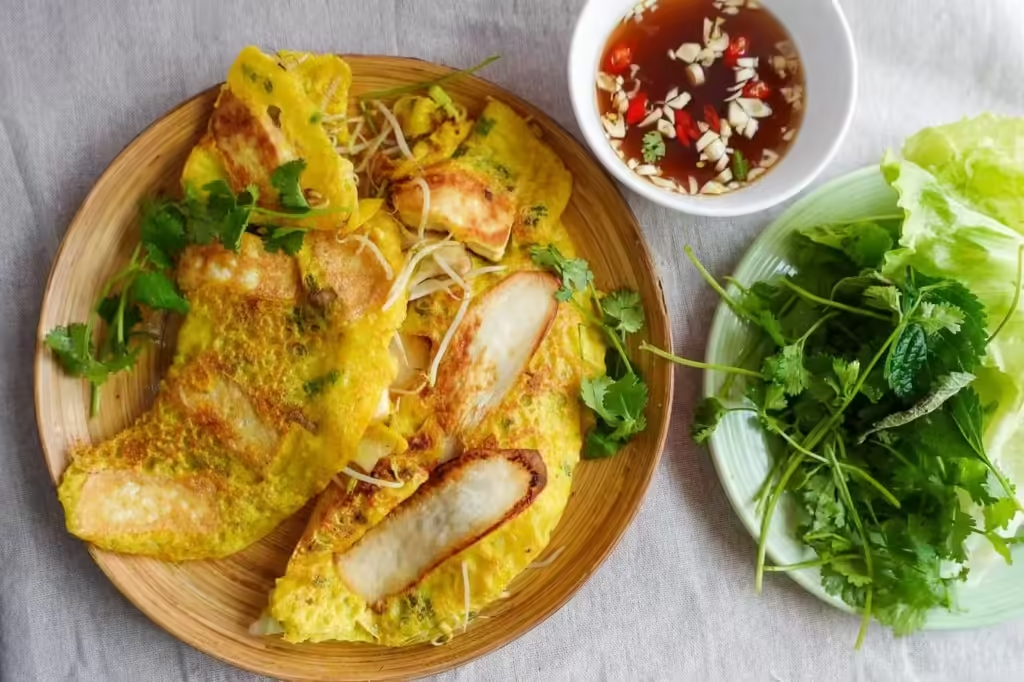
The taste is savory, crisp, and herbaceous, featuring a rice flour and turmeric batter fried over wood fires until crunchy, then wrapped inside mustard greens or rice paper with fresh herbs. A plate usually costs between 40,000 VND ($1.60) and 70,000 VND ($2.70) at dedicated local eateries. Locals eat this dish during rainy or cooler months as a warm, interactive meal.
When dining, wrap the hot pancake pieces securely inside a fresh leaf with herbs before dipping them into the thick peanut and liver sauce. Pair this meal with an afternoon exploring Tan Ky Old House.
Food Etiquette and Safety
Dining in local street stalls and family-run shops requires awareness of basic hygiene and local customs. Travellers should choose busy stalls with high turnover rates where ingredients remain fresh and turnover is rapid. Always check that cutlery and chopsticks are clean, and use iced drinks cautiously if sensitive to local water standards.
Tipping is not traditionally expected in casual street food venues, though leaving small change or rounding up the bill is appreciated. Sharing tables is common during peak meal times, so a polite nod and greeting to neighboring diners shows cultural respect.
Best Time to Eat Seasonal Dishes
Culinary experiences vary throughout the year due to weather patterns and seasonal harvests across Central Vietnam. The drier months from March to August provide ideal conditions for outdoor food tours and visits to agricultural villages. Conversely, the wetter months from September to December bring heavy rainfall, making warm noodle soups and indoor dining spaces preferable.
| Dish Name | Primary Ingredients | Typical Price Range | Best Time to Eat |
|---|---|---|---|
| Cao Lau | Noodles, pork, croutons, herbs | 30,000 – 50,000 VND ($1.20 – $1.90) | Breakfast or Lunch |
| Banh Mi Hoi An | Baguette, pork, pate, pickles | 20,000 – 40,000 VND ($0.80 – $1.60) | Anytime |
| White Rose Dumplings | Shrimp, rice flour, shallots | 50,000 – 80,000 VND ($1.90 – $3.10) | Appetizer / Lunch |
| Com Ga Hoi An | Turmeric rice, chicken, salad | 35,000 – 60,000 VND ($1.40 – $2.30) | Lunch or Dinner |
| Mi Quang Hoi An | Turmeric noodles, pork, shrimp | 35,000 – 55,000 VND ($1.40 – $2.10) | Breakfast or Lunch |
| Hoanh Thanh Chien | Fried wontons, tomato sauce | 50,000 – 90,000 VND ($1.90 – $3.50) | Evening Snack |
| Banh Dap | Rice crackers, rice paper | 20,000 – 40,000 VND ($0.80 – $1.60) | Morning or Afternoon |
| Che Bap | Sweet corn, coconut milk | 15,000 – 25,000 VND ($0.60 – $1) | Evening Dessert |
| Banh Xeo Hoi An | Pancake, shrimp, sprouts | 40,000 – 70,000 VND ($1.60 – $2.70) | Cooler Months / Lunch |